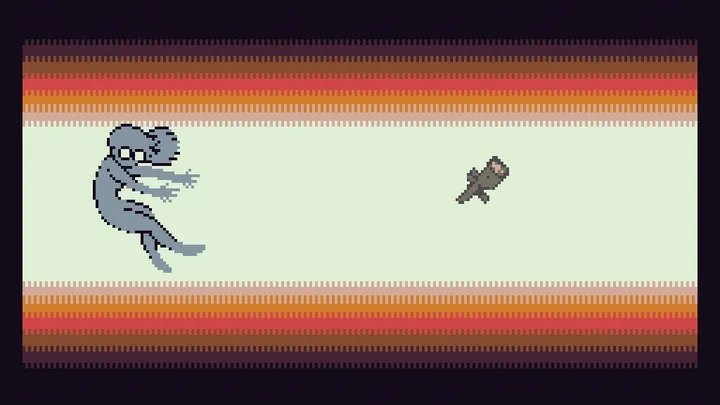





In the quiet corners of the indie gaming scene, there exists a title that has redefined the boundaries of atmospheric storytelling: EMUUROM. While the mainstream gaming news cycle is often dominated by AAA shooters and open-world spectacles, EMUUROM emerged as a testament to the power of minimalist design and emotional resonance. Since its initial reveal in the early 2020s, it has captivated players with its hauntingly beautiful landscapes, abstract narrative, and a core gameplay loop that emphasizes observation over action. As we sit in mid-2026, looking back at the trajectory of this pixel-art marvel, it becomes clear that EMUUROM did not just launch a game; it cultivated a community-driven movement centered on the beauty of mystery and the art of "slow gaming."
1. The 2023 Reveal: A Whispered Announcement in the Indie Space
The news cycle for EMUUROM began with a sense of deliberate ambiguity in late 2023. Developer Amulet Forge dropped a cryptic trailer on social media—a short, wordless clip showing a character traversing a landscape that shifted between vibrant flora and desolate, crystalline ruins. There was no bombastic music, no HUD, and no explanation of the objective. This "anti-marketing" approach was the first major news beat, as it immediately set the tone for what the game would represent: an experience that demanded the player’s presence rather than their obedience to instructions.
Gaming journalism outlets were quick to notice, with small, boutique publications like Indie Observer and Pixel Pulse featuring the game as an "aesthetic anomaly." The initial news wasn't about mechanics or features, but about the "mood." The community spent the following months analyzing every frame of the trailer, sparking debates about the game’s themes—was it about a post-apocalyptic future, or a journey through a dreamscape? This period of uncertainty created a rare form of pre-launch hype that was built on curiosity rather than consumer demand.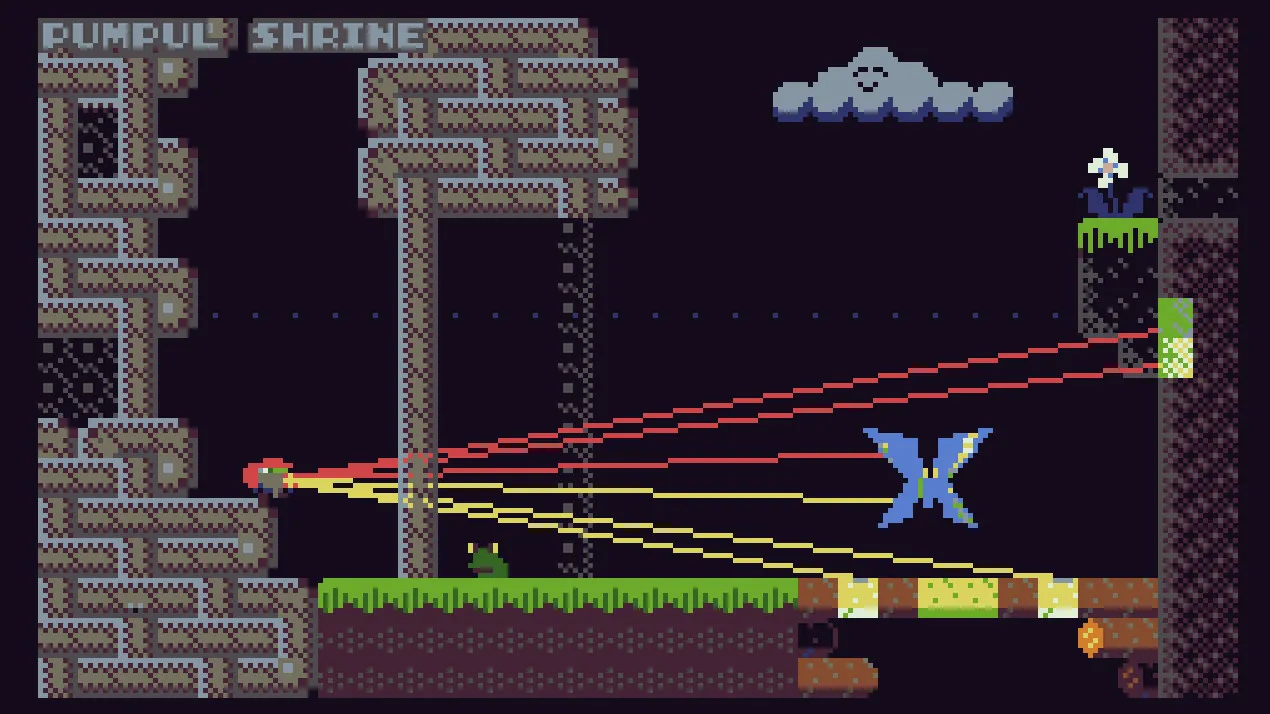
2. Early Access: The Community-Driven Discovery (Early 2024)
When EMUUROM hit Early Access in early 2024, the news shifted from mystery to collaboration. The game arrived as a "sandbox of sensations," and the news quickly focused on how the community was mapping the world. Because the game lacked a traditional map or quest log, players began creating their own, sharing intricate, hand-drawn journals on community hubs. This was a pivotal news moment for the title: the realization that the game’s "lack" of features was, in fact, its greatest feature, encouraging a level of social cooperation rarely seen in single-player experiences.
The Phenomenon of Collective Mapping
- Collaborative Lore: Players shared fragments of in-game text on public forums to decipher the history of the world.
- Environmental Challenges: News reports highlighted the "Discovery of the Week," where players would share locations of hidden, non-linear puzzles.
- Performance Milestones: Early technical patches were minor, focusing on optimizing the game’s unique lighting engine to ensure that every pixel-art frame was sharp.
3. The "Light and Shadow" Update: Redefining Pixel Art (Mid 2024)
By mid-2024, the news cycle turned toward the technical evolution of the game. The "Light and Shadow" update was perhaps the most significant news beat during the early access period, as it completely overhauled the engine's lighting capabilities. The news headlines praised Amulet Forge for pushing the boundaries of what was considered "possible" for 2D pixel art. The integration of dynamic, real-time light sources within a sprite-based environment created an atmosphere that felt both retro and futuristic.
This update was not just visual; it changed how the game was played. News reports explained that players could now manipulate light sources to reveal hidden pathways, turning the act of exploration into a tactical puzzle. The game was no longer just about walking through a beautiful world; it was about interacting with its very composition. Critics began to draw comparisons to early masterpieces of atmosphere like Shadow of the Colossus or Hyper Light Drifter, cementing EMUUROM’s status as a serious contender for indie game of the year.
4. The 2025 Narrative Expansion: Unveiling the Origin (Early 2025)
As 2025 kicked off, the news for EMUUROM took a dramatic narrative turn. The "Origin Update" introduced the first major expansion to the game's story, which had previously remained completely unspoken. The news of this update was met with mixed reactions from purists who loved the silence, but the vast majority of the community welcomed the depth. The developer announced that the expansion would focus on the history of the "Emuurom" people, revealed through environmental ruins rather than dialogue or cutscenes.
H3: The Lore Hunting Era
- Crystalline Archives: News about the discovery of deep-level caverns containing ancient, non-verbal knowledge.
- Character Archeology: Players began to report findings of artifacts that could be used to unlock specific memories of the world before its desolation.
The "Origin Update" demonstrated the studio's mastery of "Show, Don't Tell." By keeping the narrative sparse, they ensured that every new piece of information felt earned. News outlets noted that this approach allowed the player to maintain their agency, never feeling like they were just watching a movie, but rather acting as an archaeologist in a forgotten world.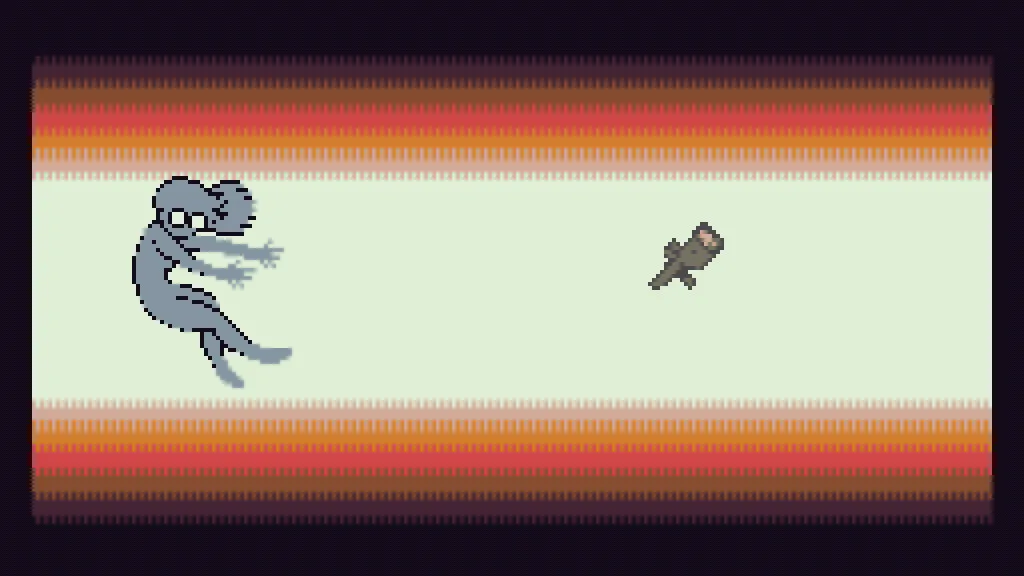
5. Technical Overhaul: The 60FPS and Ultra-Wide News (Mid 2025)
Mid-2025 saw EMUUROM move away from its niche status to become a platform-optimized title. The biggest news was the transition to a fixed 60FPS frame-rate, a challenge for a game that was originally designed around specific pixel-art interpolation. The news of this technical achievement filled tech-focused gaming outlets, as the developers had to effectively rebuild the game's timing and collision systems to handle the increased fluidity.
H4: Console Port Rumors
- PlayStation & Xbox: Persistent news reports suggested that a port was in the works for console audiences.
- Switch Optimization: The community's most requested feature, as the game’s pace was seen as perfect for handheld play.
The news surrounding the game's technical polish during this phase was proof that even small, atmospheric indie games benefit from high-level engineering. The game began to look like a modern cinematic masterpiece while maintaining its soul as a love letter to the early 8-bit era.
6. The Esports of Atmosphere: The "Speed-Walk" Phenomenon (Late 2025)
One of the most unexpected news stories of 2025 was the rise of EMUUROM in the speedrunning and competitive exploration community. Because the game rewarded environmental knowledge, a new sub-community called the "Speed-Walkers" emerged. News of the first "World Record" for the 100% discovery run became a viral sensation, with thousands of viewers tuning in on Twitch to watch players perfectly navigate the world’s most difficult puzzles.
This wasn't an esport in the traditional sense; it was a race of efficiency and grace. News reports from gaming culture sites like Polygon and Kotaku covered the phenomenon, noting how the game's lack of combat meant that every second saved was a testament to the player's understanding of the world’s geometry. It was a beautiful paradox: a game designed for contemplation had become a stage for high-intensity competition.
7. The 2026 Milestone: Version 1.0 and the Definitive Edition
March 2026 marked the arrival of the version 1.0 release, accompanied by the "Definitive Edition" of EMUUROM. The news was celebratory, marking the end of a long, transparent, and community-led development period. The 1.0 release included the "Void Expansion," a final area that tied all the loose narrative threads together. News outlets were unanimous in their praise, with many noting that the game felt like a complete, uncompromised artistic vision.
The launch news was framed by a sense of completion. The studio, Amulet Forge, transitioned from a group of "dev-diarists" to a recognized force in the indie industry. The 1.0 launch was also accompanied by a high-fidelity vinyl soundtrack release, which became the top-selling gaming soundtrack for the month. This era proved that EMUUROM had not just survived the long road to release; it had thrived, becoming a permanent fixture in the history of atmospheric gaming.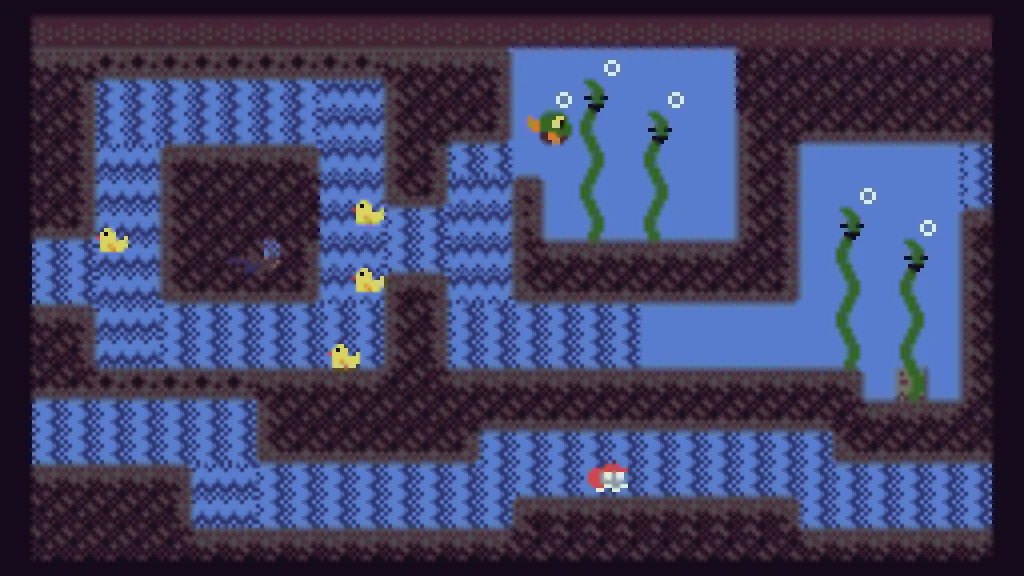
8. Cross-Platform Success: The Mobile and Handheld News (April 2026)
By April 2026, the news had shifted toward the game's presence on mobile and handheld devices. The release of EMUUROM on mobile platforms was a major technical news story, as it proved that the game’s complex lighting engine could be ported to touch devices without sacrificing visual quality. News reviews from tech sites focused on the intuitive gesture-based movement controls, which many argued actually felt better than the traditional keyboard/controller setup.
H3: The Mobile User Experience
- Touch-Based Exploration: How the developers mapped the world-interaction to tap-and-hold gestures.
- Battery Efficiency: The optimization work done to ensure the game could be played on long commutes.
This news helped the game reach a wider, more casual audience, moving it from the hardcore PC indie scene into the hands of millions. It was a testament to the studio's design-first philosophy: good design translates to any medium.
9. Current Status: Community Mods and the "Eternal World" (May 2026)
As of May 2026, the current news is dominated by the release of the "Emuurom SDK," a tool that allows players to build their own levels within the Emuurom engine. The news that the community had already produced hundreds of new "World Clusters" in just two weeks sent a ripple of excitement through the fan base. The "Eternal World" initiative, as it is being called, is effectively turning EMUUROM into a living platform for user-generated content.
H4: The Modding Scene News
- Community-Curated Clusters: The top-rated user-made areas are being officially highlighted on the game’s main menu.
- Technical Challenges: The news now focuses on how modders are using the lighting engine to create "horror-themed" clusters, a departure from the game’s original tone, showcasing the engine's versatility.
This news confirms that the game’s life cycle has only just begun. The community, which has been the heartbeat of the game since the 2023 reveal, is now the engine of its future development.
10. The Legacy: EMUUROM as a Design Benchmark (Late 2026 Vision)
As we look toward the remainder of 2026, the news surrounding EMUUROM is shifting from "updates" to "legacy." The game is now being studied in design schools as a primary example of how to build an experience around player curiosity rather than forced objectives. News outlets are calling it the "EMUUROM Standard," a term used to describe games that respect the player's intelligence by offering a rich, mysterious world without unnecessary hand-holding.
The vision for the future, according to recent studio news, is a second, standalone title built on the same engine. While nothing is confirmed, the speculation about a "Sequel-or-Spiritual-Successor" is currently one of the hottest topics in the indie scene. Whatever Amulet Forge decides to do next, the news from EMUUROM has taught us one thing: in the world of gaming, silence and beauty are often louder than any explosion.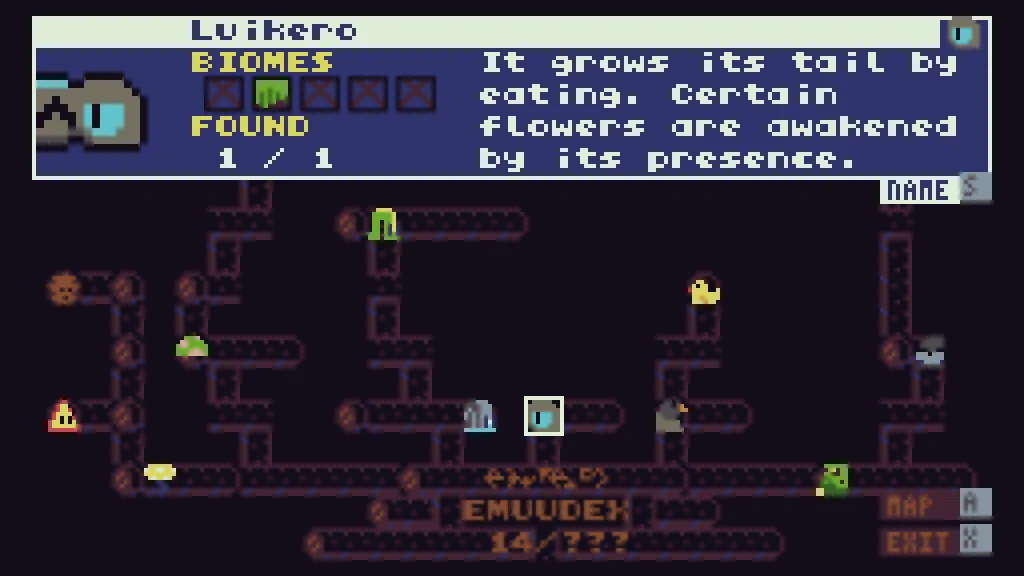
Conclusion
The journey of EMUUROM from its silent reveal in 2023 to its current status as an indie institution in 2026 is a masterclass in patient, community-centered development. By choosing to prioritize atmosphere, discovery, and artistic integrity, Amulet Forge created a title that transcends the standard "gameplay loop." The news of the last three years has been a chronicle of a community finding itself within a digital world, building a narrative through collective exploration, and constantly pushing the boundaries of what a pixel-art engine can achieve. EMUUROM remains a rare, shining example of a game that doesn't just want to be played—it wants to be lived in, studied, and shared. As the "Eternal World" initiative begins, the story of this mysterious, crystalline land is far from over; it is only just finding its permanent place in the canon of great games.