 kamegameh5.com
Stardew Valley Guide: Essential Tips for Farming, Mining, Fishing, and Building Your Dream Farm
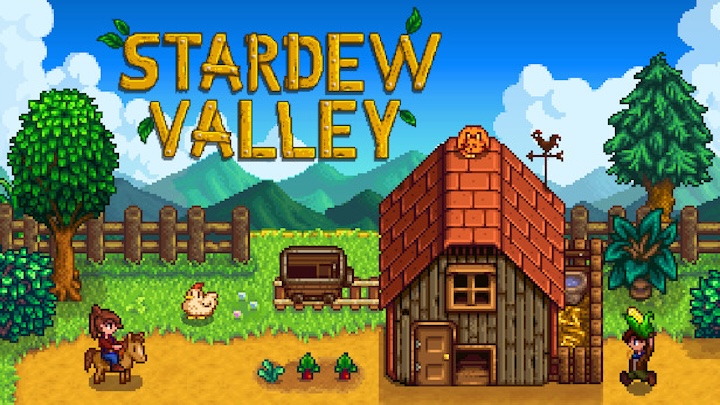
Stardew Valley is a charming farming simulation and role-playing game that invites players to leave behind their stressful city lives and build a new future in the peaceful countryside. After inheriting an old farm from your grandfather, you move to Pelican Town, where you can grow crops, raise animals, explore mysterious caves, build relationships, and gradually transform an abandoned property into a thriving farm.
Unlike many traditional simulation games, Stardew Valley offers players complete freedom to decide how they want to spend their time. You can focus on growing profitable crops, raising livestock, exploring dangerous mines, catching rare fish, or becoming part of the local community. Every activity contributes to your progress, creating an experience that feels rewarding without forcing you to follow a single path.
The game combines farming, resource management, exploration, crafting, and social interaction into one engaging experience. Each season introduces different crops, events, and opportunities, encouraging players to plan ahead and make the most of their limited daily energy and time. Whether you prefer a peaceful farming routine or a more adventurous approach, there is always something new to discover.
This guide covers ten essential areas of Stardew Valley, from understanding the basic farming mechanics to managing resources, exploring the mines, developing relationships, and building a successful farm.
1. Understand the Core Gameplay and Farming Mechanics
Stardew Valley revolves around managing your farm while exploring everything the surrounding world has to offer. At the beginning of the game, your inherited property is filled with rocks, trees, weeds, and other obstacles that need to be cleared before you can start developing it.
Your first priority should be understanding how the basic farming system works. Preparing soil, planting seeds, watering crops, and harvesting produce are the foundations of your daily routine.
Learn how to manage your crops
Different crops have different growing periods and seasonal requirements. Some plants can only grow during specific seasons, while others provide multiple harvests after their initial growth period.
Before purchasing seeds, consider:
- How many days the crop needs to grow.
- Whether it can survive throughout the current season.
- How much money you can earn from harvesting it.
- How much energy and time you need to maintain it.
- Whether the crop is required for quests or Community Center bundles.
Make the most of your daily routine
Every day in Stardew Valley provides a limited amount of time and energy. Spending too much time watering crops or clearing land can leave you with fewer opportunities to explore other activities.
Try to organize your daily schedule around your most important goals. Water your crops early, check your animals, collect available resources, and use the remaining time for mining, fishing, or interacting with villagers.
The key is to develop a routine that allows your farm to grow without limiting your opportunities elsewhere.
2. Choose the Right Crops and Understand Seasonal Farming
Seasonal farming is one of the most important systems in Stardew Valley. Each season lasts 28 days, and most crops cannot survive when the next season begins.
Understanding the differences between spring, summer, fall, and winter will help you make better planting decisions and avoid wasting valuable resources.
Plan your crops around each season
Every season introduces different farming opportunities.
Spring is a good time to establish your farm and begin earning money from basic crops. Summer offers additional profitable options, while fall provides another opportunity to expand your production before winter arrives.
Winter is different because most outdoor crops cannot grow without special arrangements. This makes it a useful period for mining, fishing, upgrading equipment, and preparing your farm for the next year.
Focus on profitable crops
Not every crop provides the same financial return. Some grow quickly and offer consistent income, while others require more time but generate higher profits.
When choosing what to plant, consider:
- The initial cost of seeds.
- The total growing time.
- The selling price of harvested crops.
- Whether the crop produces multiple harvests.
- Its potential value when processed into artisan goods.
Planning your planting schedule carefully can help you avoid empty fields and maximize the income you earn throughout each season.
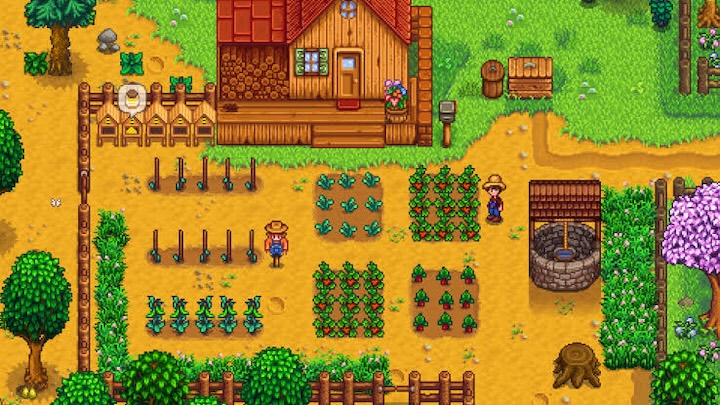
3. Manage Your Energy and Resources Efficiently
Energy management is essential because almost every physical activity in Stardew Valley consumes energy. Watering crops, chopping trees, breaking rocks, and using tools all contribute to your daily energy consumption.
If you run out of energy too early, you may have to stop working before completing your planned activities.
Understand which activities deserve priority
At the beginning of the game, energy is limited, so you should avoid spending it on unnecessary tasks.
Prioritize activities that directly support your current goals, such as preparing farmland, collecting important materials, or completing essential upgrades.
You should also pay attention to your available tools and inventory space. Carrying unnecessary items can make resource management more difficult.
Collect and store useful materials
Wood, stone, fiber, coal, and other resources are important for crafting and construction.
Instead of selling everything you collect, keep a reasonable supply of materials for future projects.
Useful habits include:
- Collecting wood and stone whenever convenient.
- Saving materials needed for crafting machines.
- Keeping valuable resources for building upgrades.
- Organizing chests by item category.
- Avoiding unnecessary purchases when materials can be collected naturally.
Good resource management makes farm expansion easier and reduces the time spent searching for materials later.
4. Explore the Mines and Improve Your Combat Skills
The mines provide some of the most important resources in Stardew Valley. They contain valuable ores, minerals, gems, and other materials that are essential for upgrading tools and crafting useful equipment.
However, exploring the mines is not simply about collecting resources. Each level introduces different enemies and challenges, making preparation important.
Understand how the mines work
The mines contain multiple floors that become increasingly challenging as you progress.
Your main objective is to reach deeper levels, collect valuable resources, and unlock additional opportunities for exploration.
Pay attention to ladders and elevator checkpoints. The elevator allows you to return to previously reached levels, making future mining trips more efficient.
Prepare before entering the mines
Before going underground, make sure you have enough health, energy, and suitable equipment.
Consider bringing:
- A reliable weapon for dealing with monsters.
- Food to restore health and energy.
- A pickaxe for collecting ores and breaking rocks.
- Enough inventory space for valuable materials.
- Healing items for unexpected encounters.
Avoid staying too long when your health or energy becomes dangerously low. Losing valuable resources or passing out can interrupt your progress.
Mining is an important part of long-term farm development, so improving your combat skills and learning how to explore efficiently will provide significant benefits.
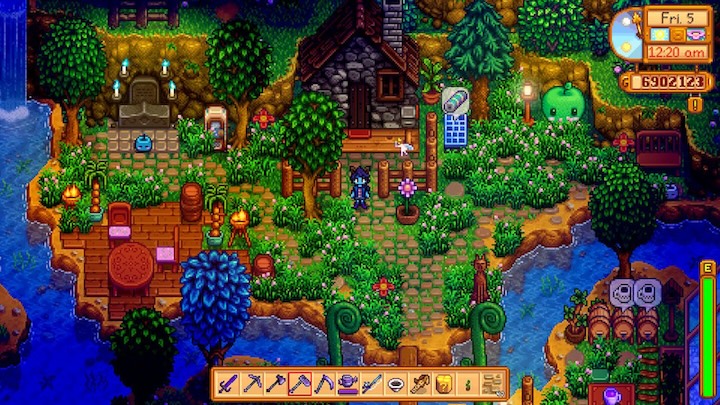
5. Raise Animals and Build a Successful Livestock Farm
Farming in Stardew Valley is not limited to planting crops. Raising animals provides another reliable source of income and adds more variety to your daily routine.
As your farm develops, you can construct buildings such as coops and barns to accommodate different types of livestock.
Take care of your animals
Animals require regular attention to remain happy and productive. Feeding them, allowing them to go outside when appropriate, and interacting with them daily can improve their happiness.
Depending on the animal, you may receive products such as eggs, milk, wool, or other valuable resources.
These products can be sold directly or processed into higher-value goods.
Improve livestock production
As you earn more money, consider investing in additional animals and upgrading your farm buildings.
Useful strategies include:
- Building a coop or barn when you have sufficient resources.
- Providing enough food for your animals.
- Collecting animal products regularly.
- Processing products into artisan goods when possible.
- Expanding livestock gradually instead of purchasing too many animals at once.
A well-managed livestock system can provide consistent income while allowing you to focus on other activities around Pelican Town.
6. Learn Fishing Techniques and Discover Valuable Fish
Fishing is another major activity in Stardew Valley. It offers a relaxing alternative to farming and mining while providing opportunities to collect valuable items and complete different quests.
You can fish in several locations, including rivers, lakes, ponds, and the ocean. Different fish appear depending on the location, season, weather, and time of day.
Understand the fishing mechanics
Fishing requires patience and practice, especially when you first start playing.
When a fish bites, you must control the fishing bar to keep the fish inside the target area until the progress meter is filled.
Some fish move unpredictably, making them more difficult to catch than others.
Improving your fishing skill will gradually make the activity easier and unlock additional equipment and opportunities.
Make fishing more profitable
Before choosing a fishing location, consider which fish are available and whether they are valuable or needed for specific objectives.
Keep these tips in mind:
- Explore different fishing locations.
- Pay attention to seasonal fish availability.
- Check weather and time requirements.
- Upgrade your fishing rod when possible.
- Use bait and tackle to improve your fishing experience.
- Save rare fish when they are needed for bundles or quests.
Fishing can become a valuable source of income, especially during periods when you have already completed your main farming activities.
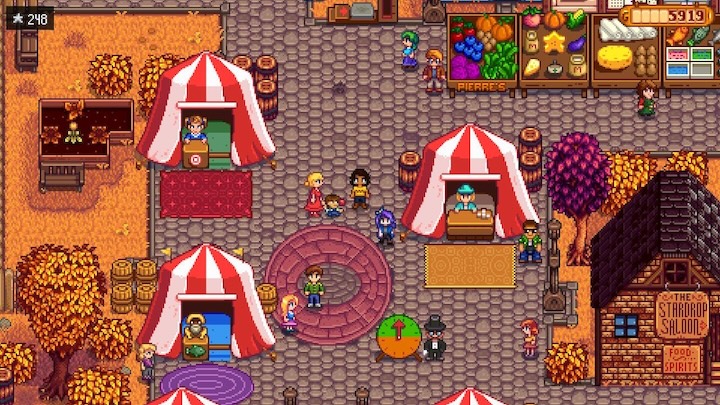
7. Build Relationships and Become Part of Pelican Town
One of the most memorable aspects of Stardew Valley is its social system. Pelican Town is home to a variety of characters, each with their own personality, daily routines, interests, and personal stories.
Developing relationships with villagers adds depth to the game and unlocks new interactions as your friendships grow.
Understand the friendship system
You can improve your relationships by talking to villagers regularly and giving them gifts they enjoy.
However, different characters have different preferences. A gift that one villager loves may not be appreciated by another.
Pay attention to birthdays, special events, and opportunities to interact with the community.
Discover character stories and special events
As your friendship levels increase, you can unlock heart events that reveal more about each character's background and personality.
Some villagers are also available as marriage candidates, allowing you to develop romantic relationships and eventually start a family.
To build stronger relationships:
- Talk to villagers whenever you meet them.
- Remember their favorite gifts.
- Give presents on special occasions.
- Participate in seasonal festivals.
- Pay attention to friendship opportunities and character events.
Building relationships makes Pelican Town feel more alive and gives you additional reasons to explore the world beyond your farm.
8. Complete Community Center Bundles and Unlock New Areas
The Community Center is one of the main progression systems in Stardew Valley. It provides a collection of objectives that encourage players to explore different aspects of the game.
Completing bundles requires you to gather specific items, including crops, fish, minerals, forageable resources, and artisan products.
Understand how bundle completion works
Each room in the Community Center contains different bundles with their own requirements.
Completing these objectives rewards you with useful items and gradually restores the building.
The process encourages you to participate in activities beyond farming and helps you discover resources that might otherwise be overlooked.
Plan ahead for seasonal requirements
Some bundle items are only available during specific seasons or under particular conditions.
Missing an important seasonal item can delay your progress until the next year.
To avoid this problem:
- Check bundle requirements regularly.
- Save one of each unusual or seasonal item.
- Pay attention to fish that only appear in certain conditions.
- Grow crops needed for specific bundles.
- Store valuable products instead of selling everything immediately.
Completing the Community Center is a rewarding long-term goal that encourages a balanced approach to the game's many activities.
9. Avoid Common Beginner Mistakes
Stardew Valley may appear simple at first, but beginners can easily make decisions that slow down their progress.
Understanding common mistakes will help you use your time, money, and resources more effectively.
Spending all your money on seeds
Buying too many seeds can leave you without enough money for other important purchases.
Start with a manageable number of crops and gradually expand your farming operation as your income improves.
Ignoring seasonal deadlines
Crops that are not harvested before a season ends will usually disappear when the next season begins.
Always check the calendar and calculate whether your crops have enough time to grow.
Selling every item you collect
Some materials and products are more valuable for crafting, quests, or Community Center bundles than for immediate profit.
Keep useful resources in storage before deciding what to sell.
Neglecting animals and villagers
Animals need regular care, while friendships require consistent interaction.
Ignoring these systems can mean missing valuable products, character events, and additional gameplay opportunities.
Spending too much time on one activity
Focusing exclusively on farming or mining can prevent you from discovering other useful systems.
Try to maintain a balanced routine that supports multiple areas of development.
10. Advanced Strategies for Building Your Dream Farm
Once you understand the basic mechanics, you can start developing more advanced strategies to improve your farm's efficiency and long-term profitability.
At this stage, success is not simply about earning more money. It is about creating a farm that supports your preferred playstyle while making daily activities easier.
Invest in useful farm upgrades
Upgrading your farmhouse, tools, and farm buildings can significantly improve your overall experience.
Some upgrades provide additional storage or functionality, while others reduce the amount of time and energy required for everyday tasks.
Prioritize improvements that support your current goals instead of purchasing everything immediately.
Use machines to increase product value
Artisan equipment allows you to transform basic farm products into more valuable goods.
For example, crops can be processed into preserves or wine, while animal products can be turned into other artisan items.
These machines require materials and preparation, but they can provide excellent long-term returns.
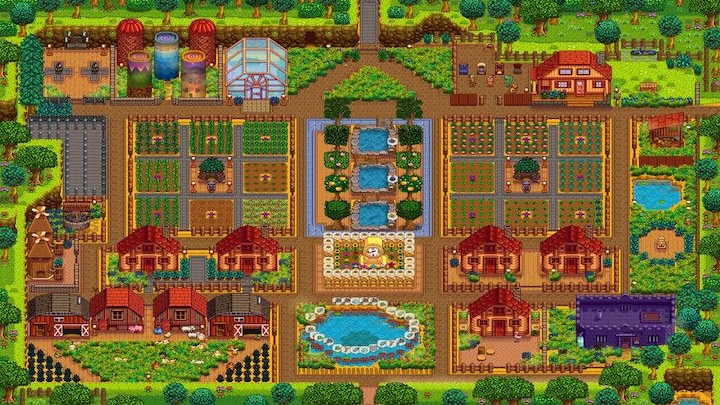
Organize your farm layout
A well-designed farm makes daily maintenance much easier.
Arrange crops, sprinklers, animal buildings, storage chests, and processing machines in convenient locations.
Consider the following ideas:
- Place crops near water sources and processing areas.
- Use sprinklers to reduce daily watering tasks.
- Keep storage chests close to frequently used machines.
- Create designated spaces for animals and buildings.
- Leave enough open land for future expansion.
Develop a long-term progression plan
Instead of trying to complete everything immediately, establish achievable goals for each season and year.
You might focus on increasing crop production during spring, expanding livestock during summer, improving artisan production during fall, and upgrading equipment during winter.
A clear progression plan helps you balance income, exploration, relationships, and farm development.
Ultimately, the best farm is not necessarily the one that generates the most money. It is the one that allows you to enjoy the activities you find most rewarding.
Conclusion
Stardew Valley is a relaxing yet surprisingly deep farming simulation game that combines creativity, exploration, resource management, and social interaction. Its charming pixel-art visuals and flexible gameplay create an experience where every player can develop their own farming journey.
Start by learning the basics of crop management, understanding seasonal farming, and organizing your daily routine. As your farm grows, explore the mines, raise animals, improve your fishing skills, build friendships, and work toward completing the Community Center.
Pay attention to resource management and long-term planning, especially when investing in farm upgrades and artisan equipment. Balancing different activities will help you make steady progress while discovering everything Pelican Town has to offer.
Whether you want to create a profitable agricultural business, build a beautiful countryside home, or simply enjoy a peaceful virtual life, Stardew Valley provides countless opportunities to make your farm truly your own.