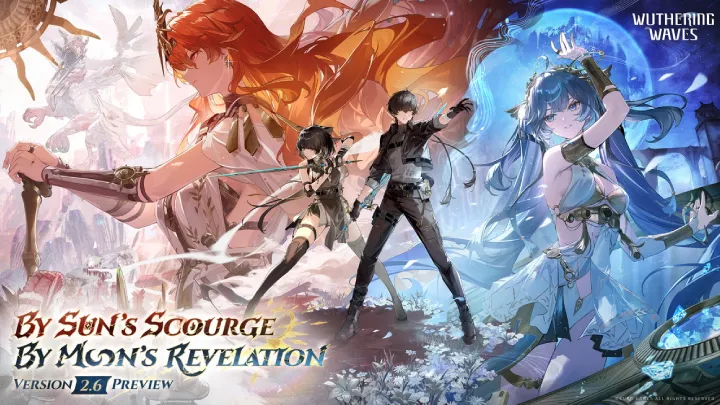



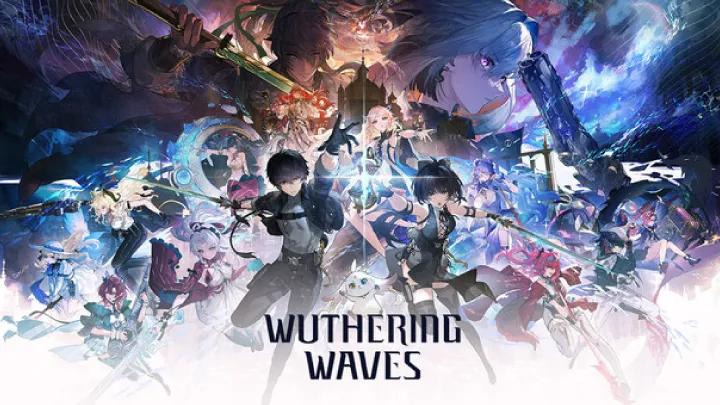
Wuthering Waves has emerged as a captivating action role-playing game that transports players into a beautifully crafted, post-apocalyptic world filled with mysterious lore and dynamic combat. While the game has garnered praise for its intricate environments and character designs, a significant issue arises regarding world-building and immersion. This article explores how the game navigates the complexities of creating a believable, engaging universe and the challenges that emerge in fully immersing players in its narrative.
The Essence of World-Building in Video Games
World-building is a defining characteristic of any immersive gaming experience, especially in RPGs. It encompasses the creation of detailed settings, lore, and character backstories that work together to draw players into the game.
Defining World-Building
In the context of Wuthering Waves, world-building refers to the development of its unique landscape, lore, architecture, and environmental storytelling that shapes players' experiences.
Key Elements of World-Building
- Rich Lore: The history and mythology of the world, influencing current events and character motivations.
- Diverse Environments: Varying landscapes and locations that add depth, facilitating exploration and interaction.
- Character Interaction: Characters must feel like integral parts of the world, each influencing and reflecting the environment around them.
The Importance of Immersion
Immersion allows players to feel as though they are part of the game world, fostering a compelling connection to the narrative and characters. Effective world-building enhances this immersion, creating a rich tapestry that players can engage with.
Emotional Engagement
- Relatable Characters: Players connect emotionally with characters through well-defined arcs and motivations rooted in the game’s lore.
- Interactive Environments: Engaging environments create opportunities for exploration and discovery, enhancing the player experience.
The Lore of Wuthering Waves
Wuthering Waves is set in a world ravaged by a mysterious calamity, where players navigate a dystopian landscape filled with remnants of a lost civilization.
The Backstory and Its Influence
The underlying lore of the game sets the stage for numerous adventures, quests, and character interactions. Exploring this backdrop allows players to understand the stakes at hand and the world they inhabit.
Key Lore Elements
- The Calamity: The event that shattered the world, leading to various factions emerging, each with unique motives and narratives.
- Factions and Conflict: Rival factions represent different ideologies and approaches to survival, influencing players' choices as they navigate their quests.
Crafting a Convincing Universe
For lore to resonate, it must feel cohesive and comprehensive. Players should easily connect with the story and characters, leading to deeper engagement.
Elements Contributing to Cohesion
- Consistency in Narrative: The game’s events should align logically with its backstory and character motivations.
- Environmental Storytelling: Subtle narrative cues embedded in the game’s environments can reinforce the overall lore and ensure everything feels interconnected.
The Challenge of Environmental Design
In Wuthering Waves, environmental design plays a crucial role in both world-building and immersion. However, this aspect often poses its own set of challenges.
Diversity of Landscapes
The game features various landscapes, from desolate ruins to vibrant, lush environments, each crafted to evoke different emotions and storytelling elements.
Achieving Visual Diversity
- Unique Aesthetic Styles: Each area of the game must have its own visual flair, utilizing colors, architecture, and natural elements to create contrast.
- Cohesive Integration: Environments must fit within the overarching lore while providing opportunities for exploration and interaction.
Creating a Tangible Sense of Place
For players to feel immersed, environments must feel alive, evoking emotions that reflect characters and events within the story.
Strategies for Effective Environmental Design
- Dynamic Weather Systems: Incorporating changing weather patterns that impact gameplay can create a more immersive experience.
- Living Worlds: Infusing environments with NPC interactions, wildlife, and quests can make the world feel vibrant and engaging.
Pacing and Narrative Flow
Another significant challenge in Wuthering Waves is finding the right pacing to balance exploration, storytelling, and gameplay mechanics.
The Importance of Narrative Pacing
Effective pacing allows players to absorb the story and engage with gameplay mechanics without feeling rushed or bored.
Key Aspects of Pacing
- Tension Building: Gradually escalating tension through character interactions and environmental changes can make story beats more impactful.
- Combining Quiet and Action: Balancing moments of downtime with action sequences helps maintain player engagement.
Challenges of Uneven Pacing
Players may encounter segments where the pacing feels off, leading to disengagement or frustration.
Identifying Signs of Pacing Issues
- Long Expository Segments: Excessive exposition without interactive elements can lead to boredom and reduced immersion.
- Abrupt Shifts in Action: Sudden changes from high-paced action to slow exploration may disorient players and affect their emotional connection.
The Role of Character Development
Characters are central to the narrative landscape of Wuthering Waves, with their development intricately connected to the game’s pacing and world-building.
Crafting Relatable Characters
To maintain engagement, characters must be well-defined, with motivations and arcs that resonate with players.
Characteristics of Memorable Characters
- Depth and Complexity: Characters should possess unique traits and backgrounds, allowing players to understand their decisions.
- Character Arcs: Development over time enhances emotional investment and player connection to the story.
The Impact of Character Relationships
The relationships between characters can significantly shape drama and conflict within the narrative, affecting pacing and player engagement.
Relationships in the Narrative
- Conflict and Resolution: Tensions among characters can drive the story forward, creating compelling arcs that intersect with the overall narrative.
- Relational Development: Players should be able to influence character relationships through choices, making their decisions feel impactful.
Player Agency and Choice
In contemporary RPGs, player agency is crucial for creating immersive experiences. Wuthering Waves faces challenges in balancing agency with a coherent narrative.
Incorporating Player Choices
Allowing players to make meaningful decisions that impact the story is essential for maintaining engagement and accountability in the narrative.
Essential Elements of Player Agency
- Branching Story Paths: Choices that lead to different narrative outcomes create a sense of ownership over the story.
- Character Influence: Players should feel that their actions affect the relationships and developments of characters throughout the game.
Challenges of Maintaining Agency within Narrative Coherence
Balancing player agency with narrative flow can lead to complexities that undermine either aspect of gameplay.
Signs of Overwhelming Choices
- Confusing Decision Trees: Complicated branching narratives can disorient players, making the story hard to follow.
- Inconsistent Outcomes: When choices result in nonsensical outcomes, it can diminish the impact of player decisions.
Community Feedback and Engagement
Player feedback forms a critical aspect of narrative development in Wuthering Waves, helping developers understand player sentiments and needs.
Gathering Feedback Mechanisms
Encouraging players to share their experiences, concerns, and suggestions can guide ongoing developments and improvements.
Channels for Gathering Insights
- Community Forums: Dedicated platforms allow for in-depth discussions and the sharing of experiences regarding gameplay mechanics.
- Social Media Engagement: Monitoring social media provides real-time insights into general community sentiments and trends.
Implementing Changes Based on Player Input
Actively responding to player feedback can enhance narrative coherence and overall gameplay experiences, ensuring that player voices are valued.
Examples of Developer Engagement
- Updates Based on Feedback: Promptly addressing community concerns through updates reinforces trust and strengthens community ties.
- Content Expansion: Incorporating popular community-suggested features can encourage player investment and excitement.
The Future of Narrative Cohesion in Wuthering Waves
As Wuthering Waves continues to develop, focusing on narrative cohesion remains vital for engaging players and ensuring satisfaction.
Ensuring Consistency in Narrative
Developers must prioritize a cohesive narrative that respects established lore while allowing for innovative storytelling techniques.
Strategies for Future Narratives
- Character Interwoven Stories: Linking character arcs in rich, meaningful ways strengthens narrative depth and engagement.
- Lore Expansion: Introducing new lore and world-building elements can enhance the richness of the game's storytelling.
Preparing for Player Expectations
Understanding player expectations for storytelling and mechanics is crucial in ensuring ongoing engagement and loyalty.
Engaging Players Beyond Gameplay
- Community Involvement: Allowing players to lend their voices to story development can create a lasting bond between the community and developers.
- Cultivating Literary Themes: Exploring deeper themes that resonate with players can enrich the narrative landscape, inviting players to engage more profoundly with the story.
Conclusion
Wuthering Waves presents an ambitious narrative experience driven by character development, world-building, and player agency. However, the challenges of maintaining narrative cohesion while implementing expansive gameplay mechanics presents notable hurdles. By actively listening to community feedback and improving upon pacing, character interactions, and lore integration, developers can craft a lasting experience that resonates with players. The road ahead demands continued innovation and responsiveness to player expectations, solidifying Wuthering Waves’ legacy in the world of RPGs.