.webp)
Minecraft Dungeons II: How to Build a Strong Character and Master Dungeon Combat
Minecraft Dungeons II expands the dungeon-crawling formula with a larger adventure, more varied combat encounters, deeper character progression, and plenty of reasons to explore beyond the main objective. While the Minecraft aesthetic makes the game approachable, surviving increasingly difficult encounters requires more than simply attacking whatever enemy is closest.
The key to progressing efficiently is understanding how different systems work together. Your equipment determines how you approach combat, your abilities shape your role, and exploration can provide resources that make later encounters considerably easier. A good build is not necessarily the one with the highest individual damage number; it is the one that consistently handles the situations the game throws at you.
This guide focuses on how to approach Minecraft Dungeons II from the beginning, how to organize your equipment, how to survive difficult encounters, and how to gradually develop a build that remains effective as the adventure becomes more demanding.
1. Learn the Core Combat Loop Before Chasing Better Gear
The first step in Minecraft Dungeons II is learning the basic combat rhythm rather than immediately worrying about finding the strongest possible equipment. Dungeon combat is built around movement, positioning, attacks, abilities, and enemy management. Understanding how these elements interact gives you a much stronger foundation than simply equipping whatever item has the highest number.
During your first encounters, pay attention to enemy behavior. Some enemies will rush toward you, while others attack from a distance or attempt to surround you. Fighting every enemy from the same position can quickly become dangerous, particularly when several enemy types appear together.
Practice the Essential Actions
Make sure you are comfortable with:
- Basic melee attacks.
- Ranged attacks.
- Dodging and repositioning.
- Using abilities at the right moment.
- Switching between offensive and defensive options.
- Picking up and comparing equipment.
- Recognizing dangerous enemy attacks.
The most important habit is to keep moving when necessary. Standing still and repeatedly attacking can work against weaker enemies, but more difficult encounters often require you to attack, retreat, reposition, and attack again.
Learn When to Stop Attacking
One of the biggest beginner mistakes is continuing an attack animation when an enemy is preparing a powerful strike. Damage is important, but surviving long enough to deal that damage is even more important.
Instead of asking only, “How quickly can I kill this enemy?”, start asking, “Where should I be standing when this enemy attacks?”
That small change in mindset makes dungeon combat much easier to manage.
2. Choose Your First Equipment Based on Playstyle
Your equipment determines much of your combat identity in Minecraft Dungeons II. Melee weapons allow you to fight at close range, while ranged equipment lets you attack from safer positions. Other equipment and abilities can provide crowd control, defensive effects, or additional utility.
There is no single weapon type that is perfect for every player. The best starting setup is one that feels comfortable enough for you to control enemies without constantly taking unnecessary damage.
Try Several Weapon Types Early
When you discover new equipment, test it before deciding whether it is useful. Consider:
- Attack speed.
- Attack range.
- Damage per hit.
- Area-of-effect potential.
- Movement while attacking.
- Special effects.
- How easily you can retreat after attacking.
A slower weapon with a large attack area can be excellent against groups, while a faster weapon may be better when fighting individual targets.
Build Around Complementary Weapons
Your melee and ranged options should ideally cover each other's weaknesses.
For example, if your primary melee weapon requires you to fight extremely close to enemies, your ranged weapon can provide a way to damage dangerous targets before they reach you. Conversely, if you prefer ranged combat, a reliable melee weapon gives you an emergency option when enemies close the distance.
The goal is flexibility rather than having two weapons that perform exactly the same function.
3. Build Your Character Around a Clear Combat Role
Once you understand the basic equipment system, start thinking about your overall character build. Instead of selecting items independently, decide what you want your character to accomplish during combat.
A damage-focused build might prioritize powerful attacks and critical effects. A defensive build may emphasize survivability and recovery. A support-oriented setup can focus on healing, buffs, crowd control, or abilities that make encounters easier for the entire group.
Common Build Directions
You can organize your character around several broad roles:
- Melee damage: Close-range attacks and strong sustained damage.
- Ranged damage: Safe positioning and consistent ranged pressure.
- Tank: High survivability and enemy control.
- Support: Healing, buffs, and utility.
- Hybrid: Balanced damage, defense, and utility.
A hybrid build can be especially comfortable for beginners because it gives you options when a particular encounter does not favor your main strategy.
Avoid Randomly Combining Bonuses
One common mistake is equipping items simply because each one has a powerful-looking bonus. Individual effects can look impressive while providing little value when combined.
For example, a character that rarely uses abilities should not devote most of its equipment to ability-related bonuses. Similarly, a ranged-focused character should not invest heavily in effects that only improve close-range attacks.
Every piece of equipment should contribute to your main strategy whenever possible.
4. Upgrade Your Equipment Without Wasting Resources
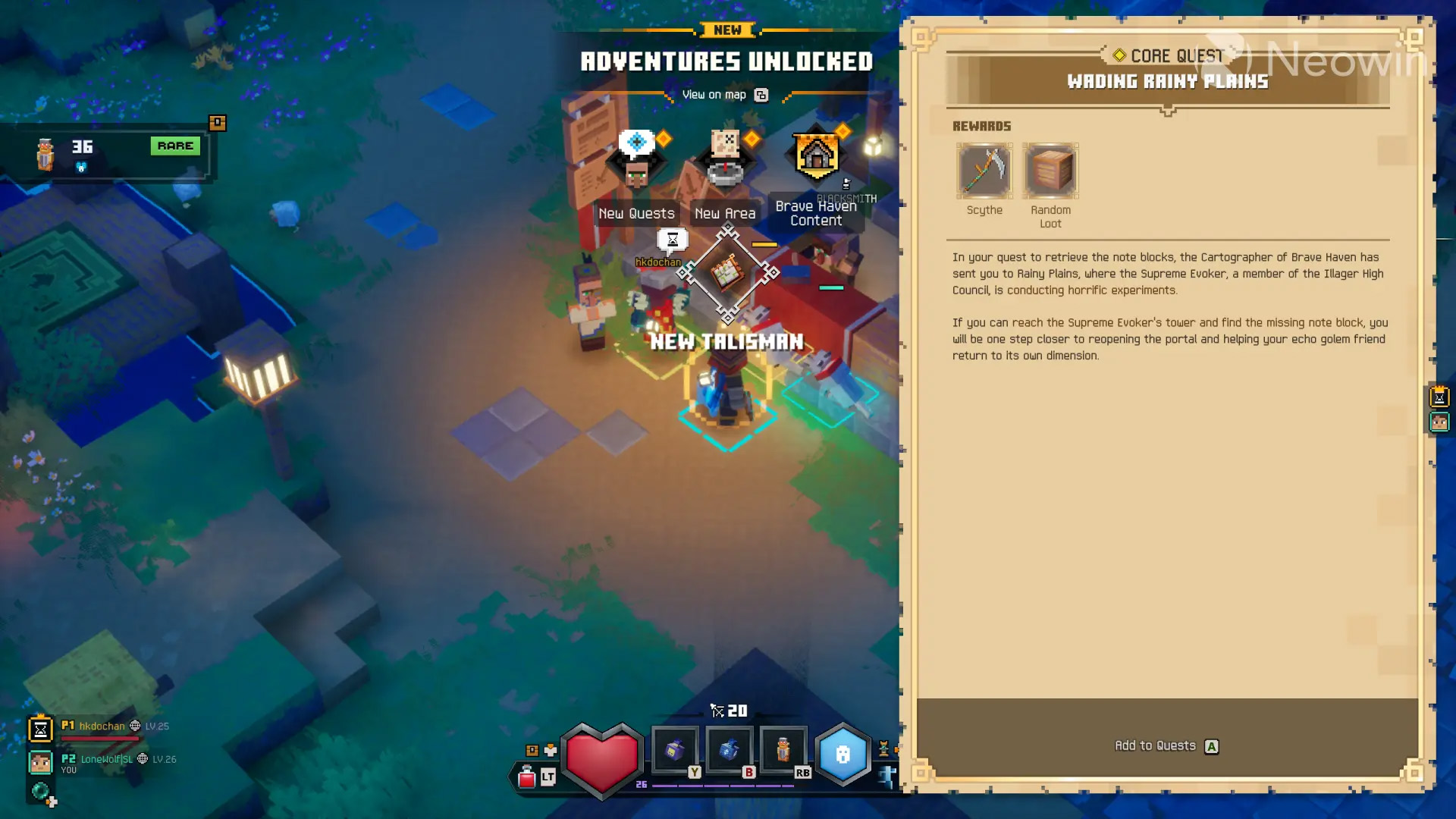
As you progress through the game, you will constantly discover new equipment. This creates an important question: should you upgrade what you already have or replace it with something newer?
The answer depends on how well the equipment fits your build. A slightly weaker item with excellent effects may be more useful than a higher-level item that does not support your playstyle.
Establish a Core Equipment Set
Instead of upgrading everything you find, choose a small collection of equipment that you use regularly.
A practical early setup might include:
- One primary melee weapon.
- One reliable ranged weapon.
- One defensive or utility option.
- A small selection of abilities that complement your role.
Concentrating resources this way prevents you from spreading upgrades too thinly.
Compare Function Before Numbers
When comparing two pieces of equipment, do not look only at the displayed power value. Consider how the item actually performs during combat.
Ask yourself:
- Does it kill enemies faster?
- Does it make difficult encounters safer?
- Does it improve my main ability?
- Does it solve a weakness in my build?
- Does its special effect activate frequently?
An item that looks weaker in a menu may perform considerably better in actual gameplay.
Replace Equipment Gradually
You do not need to replace your entire setup every time you enter a new area. Test new equipment first, then decide whether it deserves investment.
This approach saves resources and keeps your character consistent while you experiment.
5. Learn How to Fight Groups of Enemies
Groups are often more dangerous than individual powerful enemies because several threats can attack simultaneously. If you focus on one target for too long, another enemy may approach from behind or a ranged attacker may continue damaging you from a distance.
Crowd control is therefore an important part of successful dungeon runs.
Prioritize Enemies by Threat
Do not automatically attack the enemy with the most health. Instead, identify which enemies are creating the greatest immediate danger.
A useful priority order is often:
- Enemies capable of dealing heavy ranged damage.
- Enemies that disable or restrict movement.
- Fast enemies that can surround you.
- Support enemies that strengthen others.
- Standard melee enemies.
- Slow or isolated targets.
The exact priority can change depending on the encounter, but thinking in terms of threat makes combat more manageable.
Create Space Before Attacking
If enemies surround you, continuing to attack may not solve the problem. First create enough space to regain control.
Move toward an open area, separate enemies, and then attack the group from a safer position.
Abilities with area damage or crowd-control effects become particularly valuable here. Instead of using them against a single weak enemy, save them for situations where several enemies can be affected at once.
6. Use Ranged Combat and Positioning More Effectively
Ranged attacks provide more than additional damage. They allow you to influence encounters before enemies reach you. A well-positioned ranged attack can eliminate a dangerous target or weaken a group before the main fight begins.
However, ranged combat does not mean standing still and firing continuously. Enemies can close the distance surprisingly quickly, and ranged characters can become vulnerable when surrounded.
Maintain a Safe Distance
When using ranged weapons, constantly evaluate the space around your character.
Try to maintain:
- A clear escape route.
- Enough distance from melee enemies.
- A position where you can see incoming threats.
- Access to open ground.
- A way to retreat without running into another enemy group.
Avoid backing into unknown areas simply because you are trying to maintain distance. You may escape one enemy only to encounter a larger group.
Target Dangerous Enemies First
Ranged attacks are particularly valuable for removing high-priority targets before they become a problem.
If a powerful enemy is standing behind weaker enemies, look for an angle that allows you to attack it directly. Eliminating the most dangerous target early can make the rest of the encounter significantly easier.
Combine Ranged and Melee Attacks
You do not need to commit permanently to one combat style. Use ranged attacks to weaken enemies and melee attacks to finish them when they approach.
This hybrid approach can also conserve resources by preventing you from relying too heavily on one weapon.
7. Explore Dungeons Instead of Rushing to the Objective
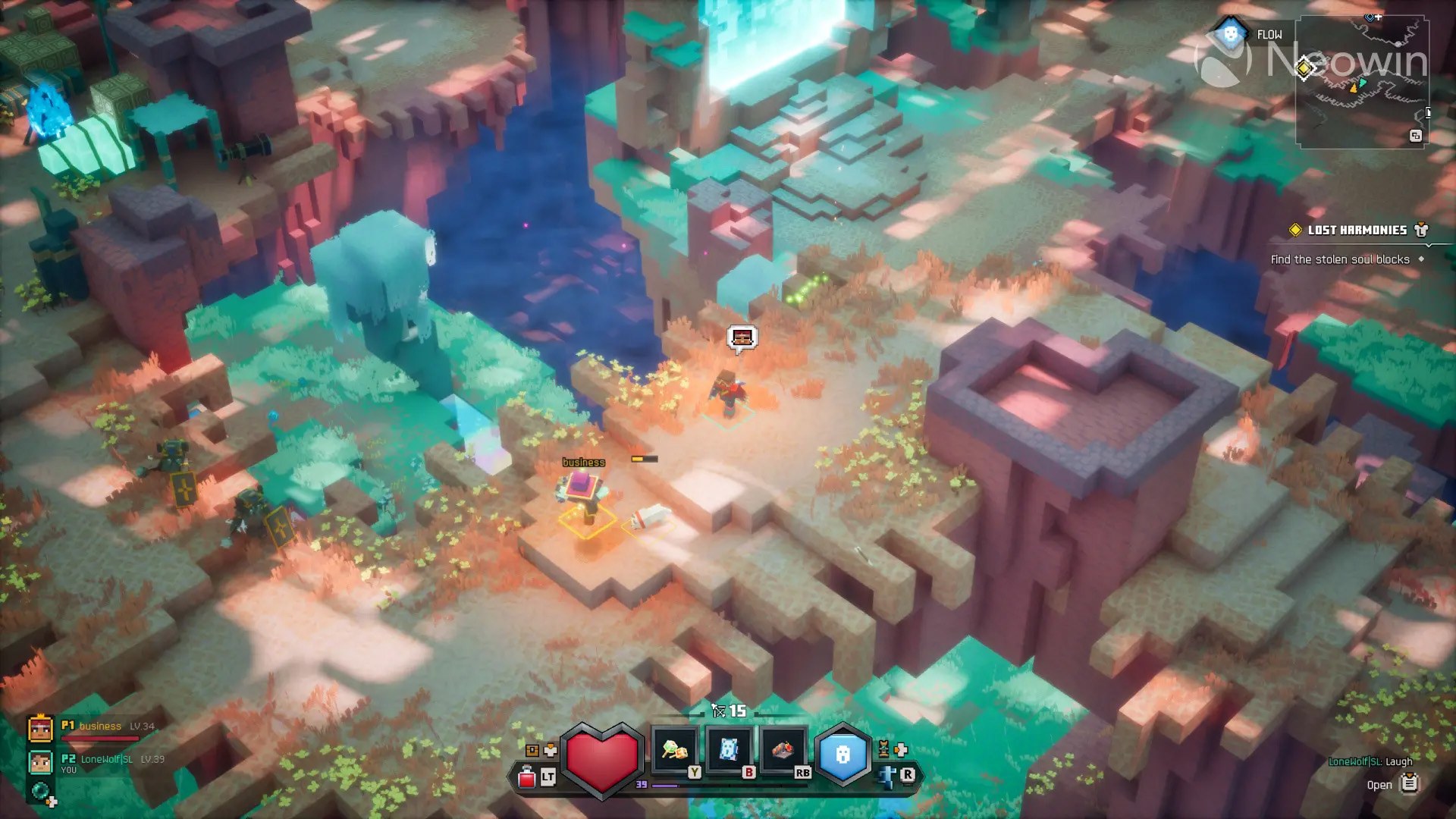
One of the easiest ways to make progression harder is to rush through every dungeon. Exploration can provide additional equipment, resources, secrets, and opportunities to improve your character.
A dungeon should be treated as more than a corridor between objectives. Before leaving an area, look for alternate routes and rooms that may contain useful rewards.
Check Side Paths
Whenever the main path branches, take a moment to investigate the alternative route.
Look for:
- Chests.
- Hidden rooms.
- Environmental clues.
- Optional encounters.
- Resource pickups.
- Alternate paths.
- Locked areas that may become accessible later.
Not every side route contains something extraordinary, but consistently exploring gives you more opportunities to improve your equipment.
Do Not Get Lost in Optional Content
Exploration should help your progression rather than become a source of frustration. If you have already spent a long time searching an area without finding anything useful, consider continuing with the main objective.
You can always return to exploration later when you have better equipment or abilities.
Remember Interesting Locations
If you find a locked door or inaccessible area, remember where it is. New abilities or progression may eventually make that location accessible.
This is particularly useful in games where exploration rewards players for revisiting earlier areas.
8. Prepare Before Taking on Difficult Bosses
Boss encounters require a different approach from ordinary combat. A strong character can still fail if the player does not understand the boss's attack patterns.
Before entering a major boss fight, make sure your equipment is appropriate and your abilities are ready. If the game allows you to restock or adjust your setup beforehand, take advantage of the opportunity.
Study the Boss First
During your first attempt, prioritize learning over speed.
Pay attention to:
- Attack animations.
- Area-of-effect attacks.
- Movement patterns.
- Summoned enemies.
- Vulnerable moments.
- Defensive phases.
- Changes during later stages of the fight.
Once you understand these patterns, the boss becomes much easier to predict.
Do Not Waste Powerful Abilities
Using every powerful ability immediately may produce impressive damage, but it can leave you vulnerable later.
Instead, save major abilities for:
- A vulnerable phase.
- A large group of summoned enemies.
- A dangerous attack that needs to be interrupted.
- The final stage of the encounter.
Good resource management can be more important than raw damage.
Keep Moving
Boss arenas often contain hazards or attacks that punish stationary players. Learn the safe areas of the arena and avoid standing directly in front of the boss for longer than necessary.
Attack, reposition, observe, and attack again.
9. Improve Your Survival Strategy for Higher Difficulty
As the game becomes more challenging, mistakes become increasingly expensive. Enemies deal more damage, encounters become more complicated, and weaker equipment becomes easier to expose.
This is where defensive decisions become just as important as offensive ones.
Improve Your Survivability
If you are repeatedly dying, do not immediately assume that you need more damage.
Instead, examine:
- Your defensive equipment.
- Your healing options.
- Your positioning.
- Your dodge timing.
- Your stamina management.
- Your ability to escape groups.
- Whether your build has enough synergy.
Sometimes the simplest improvement is changing one defensive item rather than completely rebuilding your character.
Learn When to Retreat
Retreating is not failure. If an encounter becomes chaotic, creating distance can give you time to recover and reorganize.
Separate enemies whenever possible. Fight them in smaller groups rather than allowing everything to attack simultaneously.
Do Not Ignore Consumables
Consumables can provide temporary advantages that become especially valuable during difficult encounters. Use them when the situation justifies it rather than saving everything indefinitely.
If an item helps you survive a difficult boss or elite encounter, using it is often more valuable than carrying it unused through the entire game.
10. Develop a Long-Term Progression Strategy
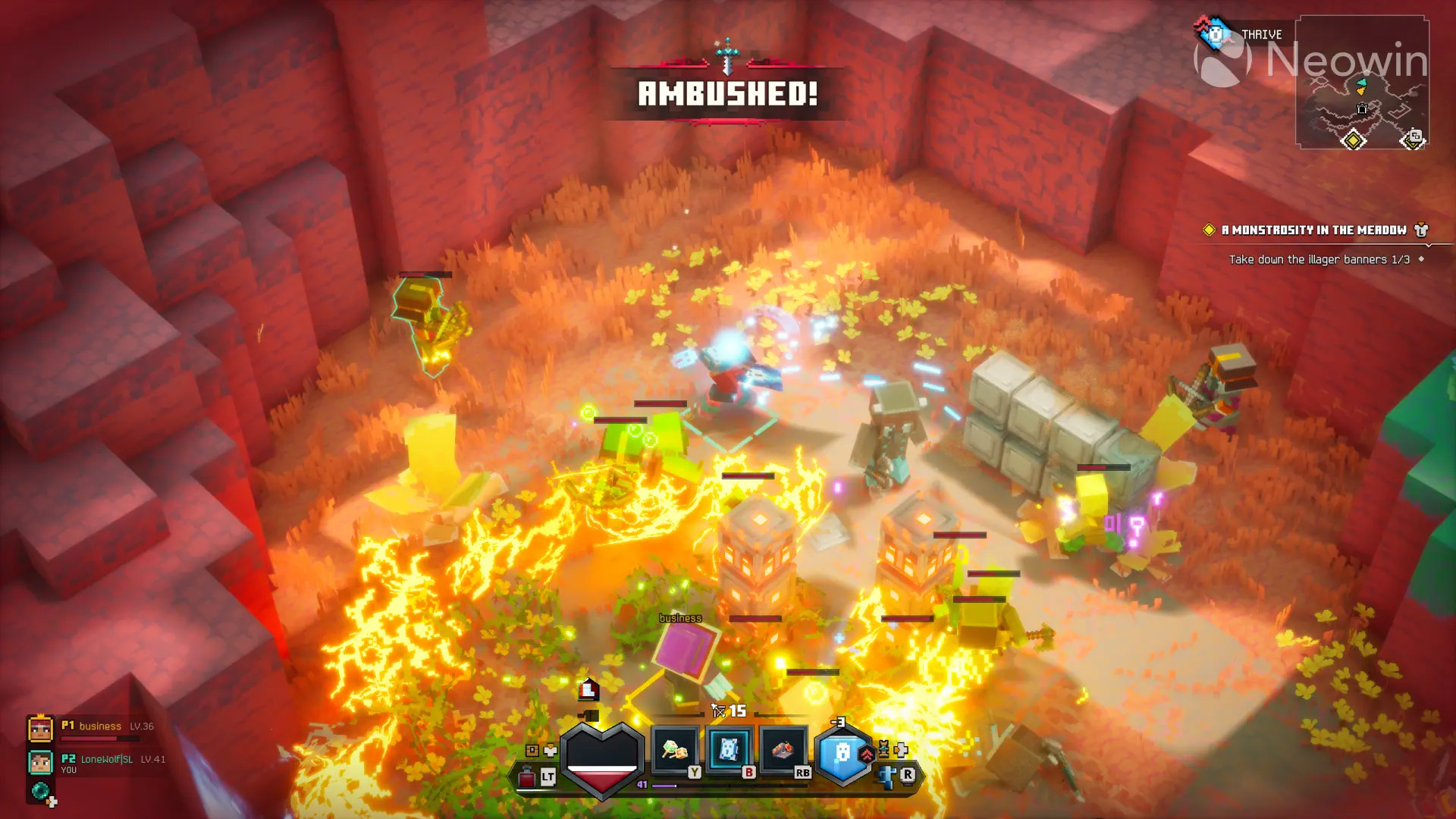
Once you understand the basic mechanics, the final step is creating a progression routine that keeps your character strong without turning every session into an equipment-management exercise.
The best long-term strategy is to establish a core build, improve it gradually, and experiment with alternative setups whenever you have enough resources.
Use a Repeatable Progression Loop
A useful routine is:
- Complete the main objective.
- Explore optional areas.
- Collect new equipment.
- Compare equipment against your current build.
- Upgrade your core gear.
- Test new abilities.
- Revisit difficult encounters.
- Adjust your build based on actual problems.
This creates a steady cycle of improvement.
Build Around Problems You Actually Have
If you are struggling against groups, improve crowd control.
If bosses are defeating you quickly, improve survivability and learn their patterns.
If your damage feels low, examine whether your equipment bonuses actually support your main weapon.
If you constantly run out of resources, look for ways to improve resource generation or reduce unnecessary ability usage.
This is much more effective than copying a build simply because it is popular.
Experiment Once Your Core Build Is Stable
After you have a dependable setup, start experimenting with unusual combinations. Try a different weapon type, change your abilities, or build around a specific mechanic.
Experimentation is one of the best ways to understand the game's systems because it teaches you why certain combinations work rather than simply telling you what to equip.
Conclusion
Learning how to play Minecraft Dungeons II effectively is less about finding a single overpowered weapon and more about understanding how combat, equipment, abilities, exploration, and character progression work together.
Start by mastering movement and basic combat before worrying about optimization. Choose equipment that complements your preferred playstyle, concentrate upgrades on a reliable core setup, and gradually build around a specific combat role. When fighting groups, prioritize dangerous enemies and create space rather than allowing yourself to become surrounded.
Exploration is equally important. Side paths can provide resources and equipment that make later encounters easier, while hidden areas may reward players who take the time to investigate their surroundings. Against bosses, focus on learning attack patterns and managing your abilities instead of simply trying to deal as much damage as possible.
Most importantly, treat difficult encounters as opportunities to identify weaknesses in your strategy. If you repeatedly fail, change something: your positioning, equipment, abilities, or approach. A flexible player who understands why a build works will ultimately have more success than someone who simply follows a fixed setup.
With a balanced build, careful exploration, and a strong understanding of enemy behavior, you can approach Minecraft Dungeons II with much greater confidence and turn increasingly difficult dungeons into manageable challenges.